Enhance Your Curb Appeal: Ways Professional Landscaping Services Can Transform Your Property
Curb appeal greatly influences home value. Professional landscaping services can successfully elevate this visual charm through deliberate design choices and thoughtful plant selection. By creating inviting outdoor spaces, these professionals add both visual appeal and functional purpose. Property owners often question what essential features to include or how to select the best provider. Understanding these elements can lead to remarkable changes. The road to enhanced property aesthetics begins with knowledgeable planning.
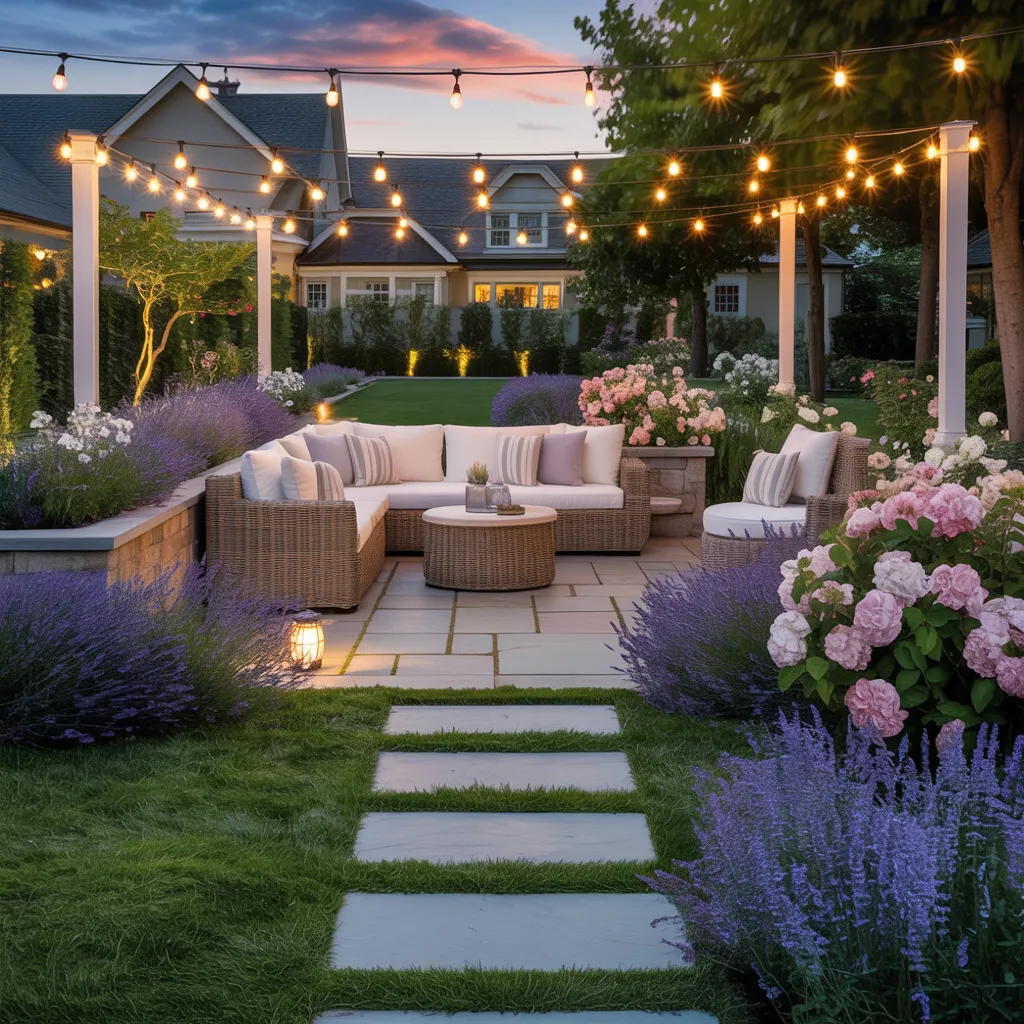
How Curb Appeal Influences Property Value
Curb appeal functions as the first impression of a property, significantly impacting its market value. A properly maintained exterior draws in prospective buyers, often leading to quicker sales and higher offers. Properties with appealing landscaping, updated paint, and clean walkways convey a feeling of warmth and care, indicating that the inside of the home may be equally cared for. In contrast, neglecting curb appeal may discourage interest, causing buyers to question the overall condition of the home.
Data suggests that properties with notable curb appeal can command a price increase of nearly 10% compared to similar properties lacking aesthetic appeal. Components such as lush floral arrangements, well-kept grass, and inviting doorways have a substantial impact on this trend. When all is considered, dedicating resources to exterior aesthetics can yield substantial financial returns, making it a critical consideration for property owners and housing market experts when determining a property's market value.
Key Elements of Successful Landscaping Design
Successful landscaping design integrates various important elements that improve both practicality and visual appeal. A deliberate layout, purposeful plant selection, and responsible water management represent key elements that contribute to a thriving outdoor space. These features collaborate to establish a well-integrated outdoor space that meets the needs of both homeowners and the ecosystem.
Efficient Layout Design
A thoughtfully structured layout is vital for accomplishing a harmonious and functional landscape design. Quality landscaping includes pathways, seating areas, and focal points that channel movement and boost usability. The design should equilibrate open spaces with purposeful zones, enabling both relaxation and social interaction. Integrating features such as gardens, water elements, and lighting can create visual interest while serving practical purposes. Moreover, evaluating the scale and proportions of elements confirms that they enhance the architecture of the property. A practical layout also addresses maintenance requirements, simplifying the process of caring for the landscape over time. In the end, a carefully crafted layout elevates the property's aesthetic appeal while optimizing its functionality for daily use.
Plant Picking Strategy
Choosing the appropriate plants is vital for establishing a landscape that is visually appealing and long-lasting. An effective plant selection strategy considers the climate, soil composition, and unique characteristics of the site. Local plant species are commonly favored due to their adaptability and low maintenance requirements. In addition, incorporating a variety of species guarantees ongoing aesthetic value and protection against common threats. Professionals recommend organizing plants according to their hydration and light requirements, creating a harmonious and efficient ecosystem. Moreover, taking into account the size and development patterns of plants prevents overcrowding issues, enabling every plant to flourish. In the end, thoughtful plant selection improves visual beauty while benefiting local ecosystems and environmental wellbeing.
Sustainable Water Management
Building a landscape that excels while conserving resources calls for a focus on sustainable water management. This method highlights the use of water-wise plants, which limit water usage while keeping visual attractiveness. Successful landscaping design includes efficient irrigation systems, such as drip irrigation or rainwater harvesting, to guarantee that water is applied directly to plant roots, decreasing waste. Moreover, the inclusion of permeable surfaces allows rainwater to infiltrate the ground, recharging local aquifers. Landscape professionals can also apply mulch and soil amendments that increase moisture retention, also supporting sustainability. By focusing on these strategies, property owners not only improve their curb appeal but also promote environmental conservation, making sustainable water management an vital aspect of modern landscaping.
Economical Landscaping Ideas
Even when working within a tight budget, creative landscaping solutions can transform any outdoor space without exceeding your budget. Straightforward strategies such as growing native plants and shrubs can enhance visual appeal while requiring less maintenance. Adding mulch not only conserves moisture but also provides flower beds with a refined appearance. Self-built features, like building raised garden beds or crafting a gravel path, can bring distinctive charm at considerably less expense of professional installations.
Using repurposed items, such as weathered wood pallets or masonry bricks, can further elevate the outdoor space without significant expenses. Moreover, incorporating solar-driven outdoor lights provides both functionality and charm, setting a welcoming mood during after-dark events. As a final touch, routine lawn maintenance, including trimming and edging, can substantially increase the home's visual charm, making any household more attractive. By applying these budget-friendly ideas, homeowners can develop a remarkable outdoor environment that mirrors their distinctive aesthetic and elevates their real estate value.
Selecting the Ideal Landscaping Service for You
Identifying the best landscaping service commences with a detailed assessment of personal landscaping needs. By recognizing particular requirements, clients can effectively compare the service packages of various companies. This thorough evaluation ensures that the selected service aligns with both preferences and budget.
Understand Your Landscaping Goals
How should homeowners go about determining their landscaping needs to identify the ideal service provider? Initially, it is important for homeowners to copyrightine their property's individual attributes, such as its size, landscape terrain, and current plant life. Clarifying individual tastes and intended results—be it designing a tranquil garden retreat, upgrading outdoor entertainment zones, or elevating the home's exterior appearance—is of utmost importance. It is equally important for homeowners to assess their financial resources and the degree of upkeep they are prepared to undertake. Drawing ideas from nearby properties, publications, or digital platforms can assist in sharpening their overall vision. Additionally, consulting with neighbors or friends who have used landscaping services can provide valuable insights. Once homeowners have a thorough understanding of these elements, they can more effectively express their needs, making it easier to find a landscaping service that truly matches their expectations and personal lifestyle.
Review Service Options
What considerations should homeowners keep in mind when evaluating landscaping service options? First, they should evaluate the range of services provided, such as design, installation, and maintenance. Determining whether a company focuses on residential or commercial work can further inform their choices. Homeowners ought to review pricing models, confirming clarity in estimates and any possible extra charges. Furthermore, copyrightining client reviews and past project portfolios provides valuable information about work quality and overall satisfaction. It is advisable to question the background and certifications of the workforce, as well as their commitment to environmentally responsible approaches. Lastly, assessing the company's communication style and promptness can reflect how effectively they will meet homeowner expectations during the project.
Manage Your Landscape Like a Professional
Managing a landscape professionally calls for a well-planned approach that harmonizes aesthetics and functionality. Routine upkeep practices, such as pruning, mowing, and mulching, are vital for elevating the aesthetic value of the landscape. Experts suggest establishing a season-based checklist to accommodate the unique needs of each plant and area within the outdoor environment.
Watering routines need to be adjusted according to climate conditions and plant variety, ensuring that the landscape receives adequate hydration without overwatering. Additionally, pest and weed management is vital; using organic options can protect the environment while maintaining plant health.
The health of soil is a critical factor in preserving a lush and healthy landscape, making routine assessments and adjustments essential. Incorporating sustainable techniques, such as composting and using native plants, supports lasting environmental health. By adhering to these guidelines, property owners can attain a expertly kept outdoor space that enhances the overall curb appeal of their property.
How Improvements Enhance Property Value
Enhancing a landscape goes beyond improving its appearance and also contributes substantially to maximizing property value. Well-designed outdoor spaces capture the attention of potential homeowners, rendering homes more appealing on the market. Based on numerous research findings properties featuring expert landscape design can gain a property value increase of 5% to 15%. This added value typically stems from superior design, increased usability, and stronger curb appeal.
Landscaping upgrades, such as the incorporation of locally adapted plants, hardscape elements, or outdoor living spaces, establish welcoming settings that attract potential buyers. Furthermore, a carefully tended landscape minimizes maintenance expenditures and enhances energy efficiency, appealing to environmentally aware buyers.
Opting for professional landscaping services not only yields quick visual enhancements but also functions as a smart strategy for long-term property investment. In the end, the ideal landscaping selections can greatly influence a home's market appeal and attractiveness in a dynamic real estate landscape.
Common Questions and Answers
How Long Does a Typical Landscaping Project Take to Complete?
A typical landscaping project often takes anywhere from one to four weeks to finish, depending on the scope and complexity. Considerations including weather conditions, project scope, and resource availability have a considerable effect on how long the project takes to complete.
Which Plants Are Most Suitable for My Climate?
The most suitable types of plants for a given climate rely on regional temperature, moisture levels, and soil composition. Locally adapted species frequently prosper, while drought-tolerant species are well-suited for dry climates, ensuring sustainability and minimal maintenance.
Can Landscaping Reduce Energy Costs for My Home?
Thoughtful landscaping can greatly reduce energy costs by thoughtfully arranging trees and shrubs to provide shade, deflecting wind and regulating temperature. This natural insulation minimizes the need for heating and cooling systems, ultimately leading to lower utility bills.
What Upkeep Is Needed After Landscaping Installation?
Following landscaping installation, routine maintenance involves watering, mulching, weeding, pruning, and fertilizing. Seasonal tasks, such as winter preparation and pest control, are also essential to guarantee the landscape remains healthy and visually appealing.
Are Eco-Friendly Landscaping Options Offered?
There are eco-friendly landscaping options available. Such options encompass native plants, drought-resistant gardens, view this guide rain gardens, and organic mulch. Such options support biodiversity, conserve water, and limit chemical use, offering benefits to both the environment and the visual appeal of the property.